
Istanbul Old City Half-Day Guided Morning Tour
 +9
+9
About this tour
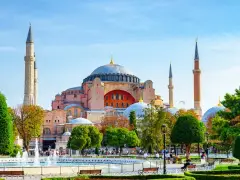
This four-hour morning walk covers the heart of Istanbul's historic peninsula with a professional guide. You'll take in Hagia Sophia and the Blue Mosque, the ancient Hippodrome with its German Fountain, Obelisk of Theodosius, and Serpent Column, and finish at the Grand Bazaar. It's a good fit if you want the big landmarks and their stories in a single, manageable morning rather than a full day on your feet. Pickup from centrally located Istanbul hotels is included.
Guide Languages
 English
Highlights
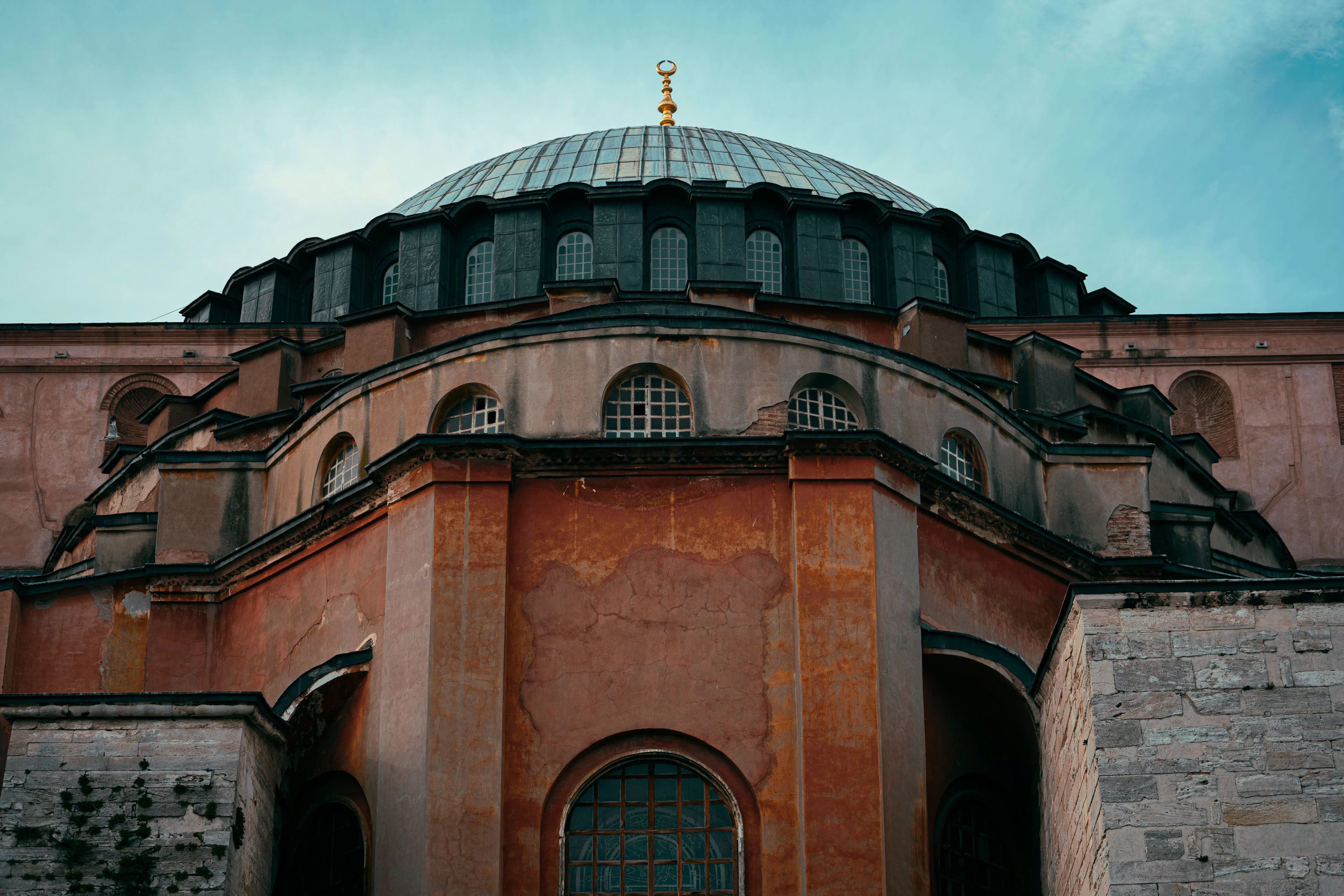
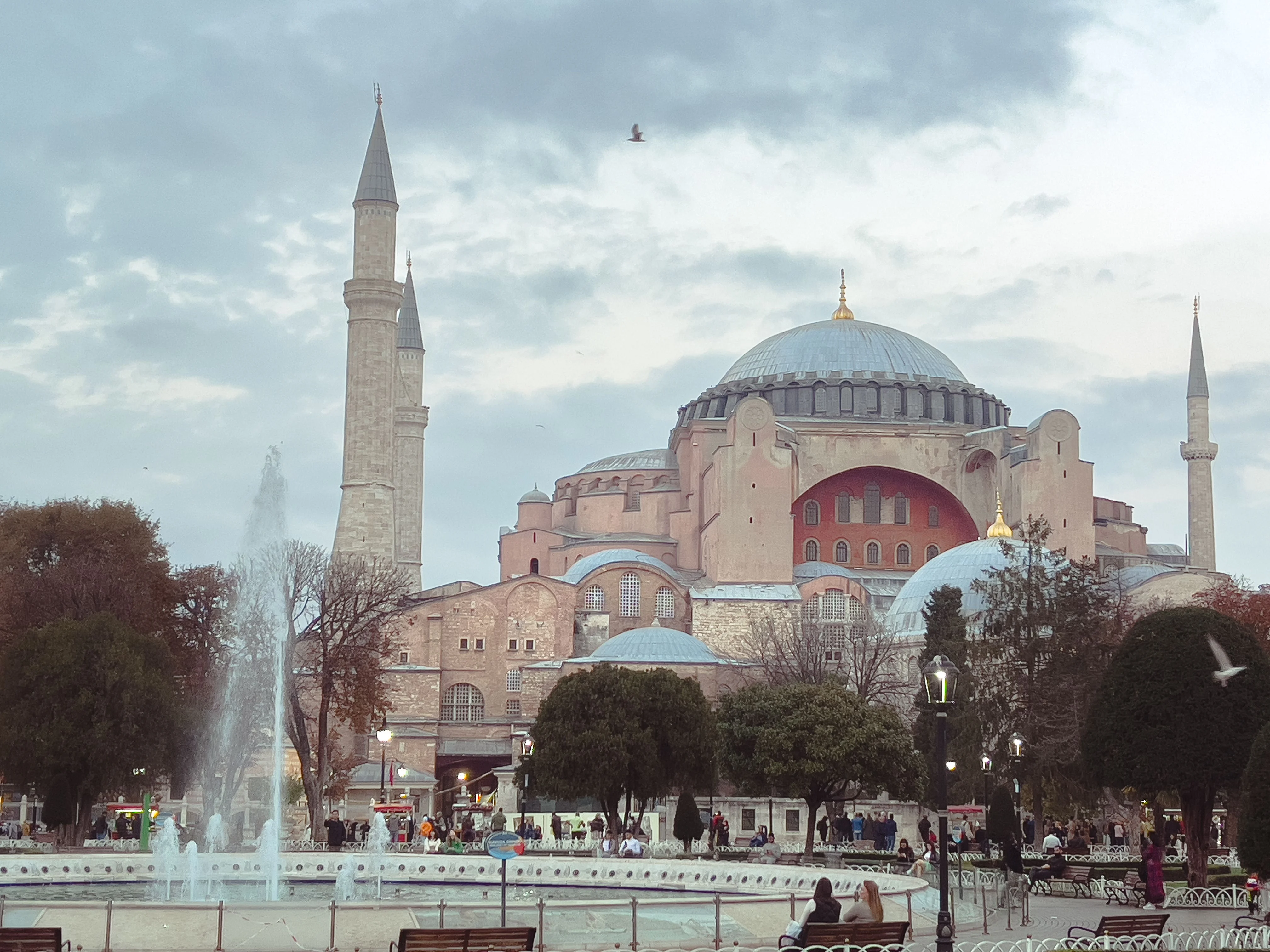
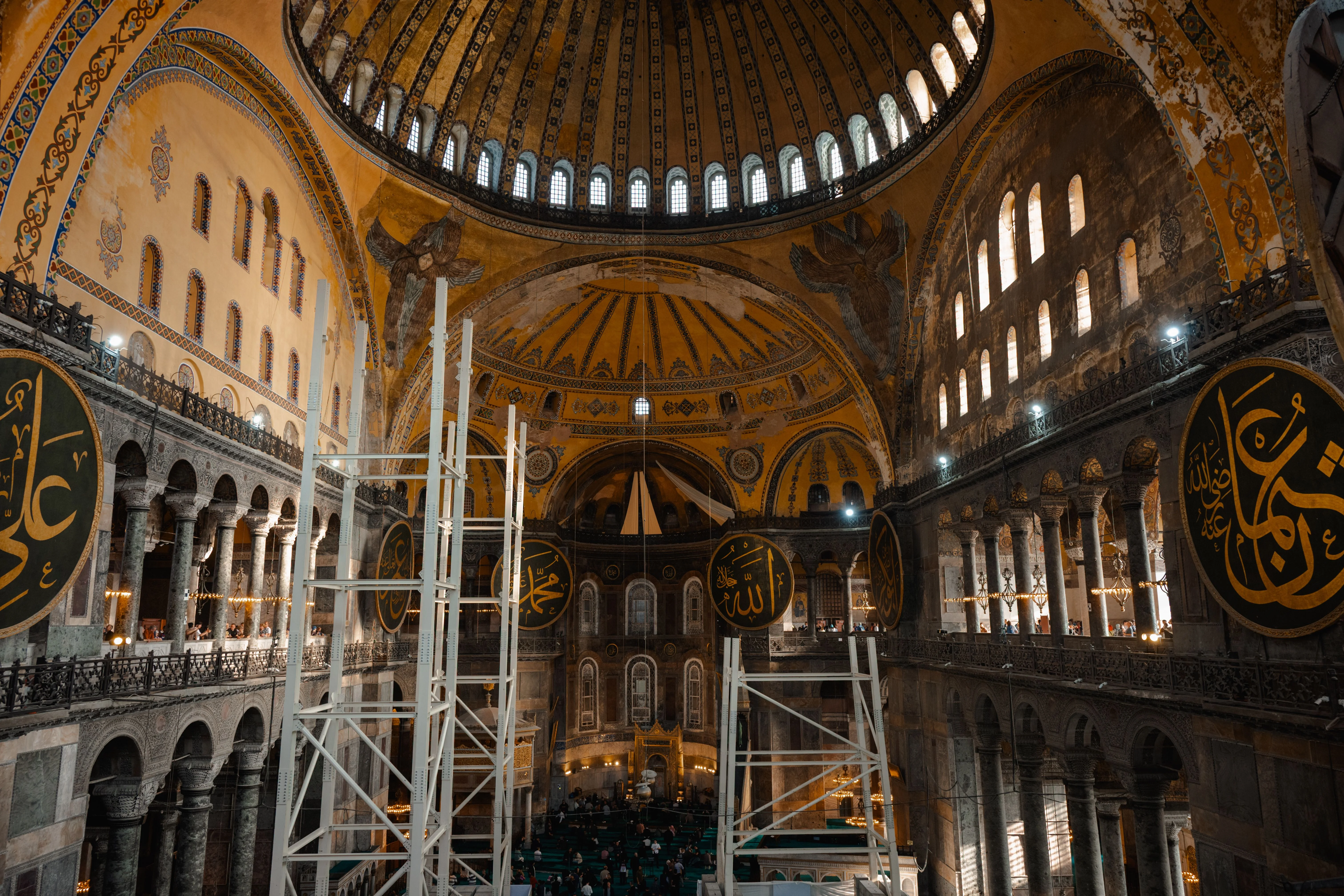
- Stand beneath the vast central dome of Hagia Sophia, which still seems to hover over the interior 1,500 years after it was built
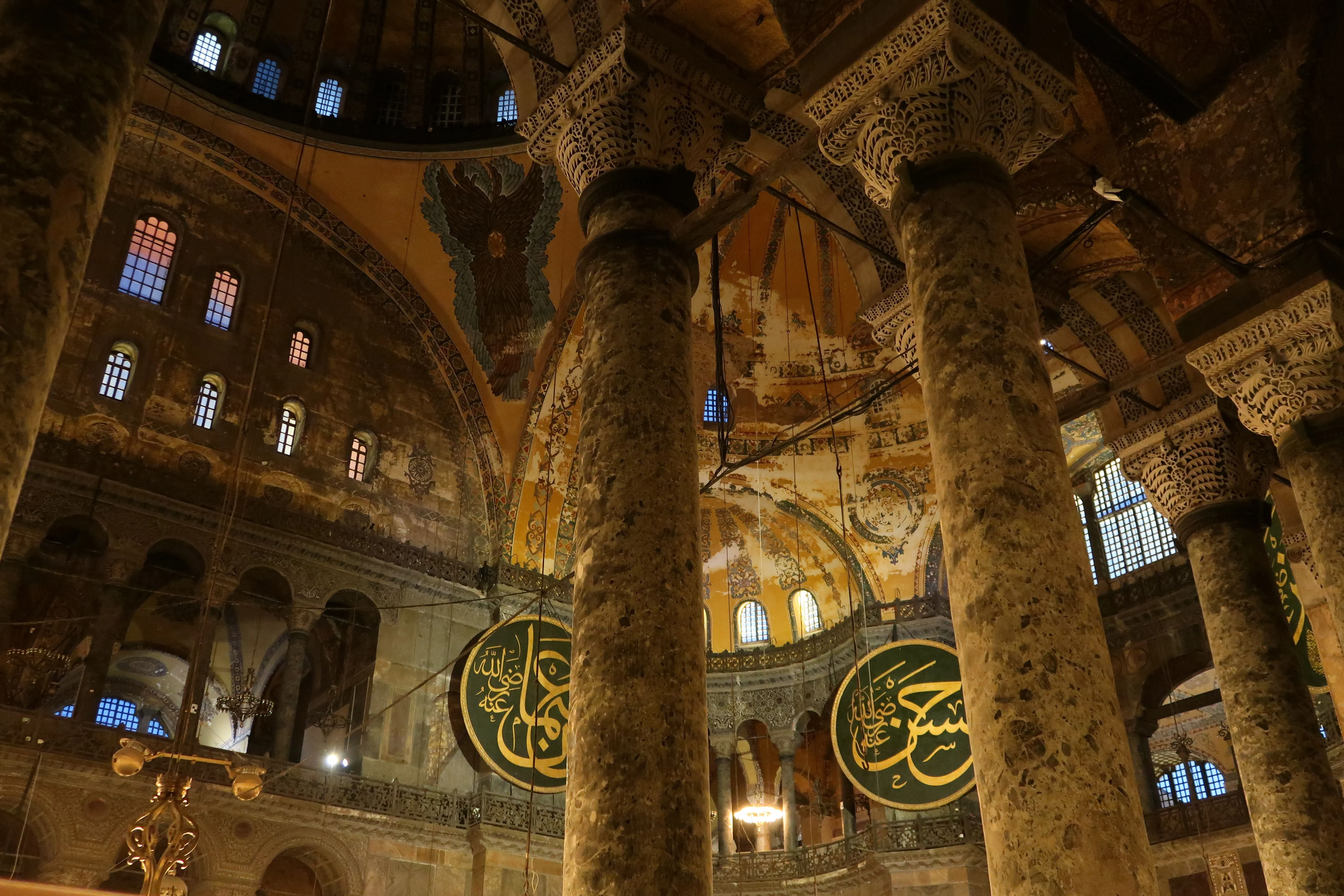
- See where Byzantine gold mosaics share the walls with giant Ottoman calligraphy panels, the mark of a cathedral turned mosque in 1453
- Take in the mosaics up close from the upper gallery, the route now used for visitors touring the building
- Blue Mosque interior lined with over 20,000 hand-painted Iznik tiles
- Six minarets crowning the Blue Mosque, rare for an Ottoman mosque of its time
- Painted domes and tilework restored and reopened in 2023
- Walk the ground of the ancient Hippodrome, the city's old chariot-racing arena
- Three Hippodrome monuments lined up along the old racetrack
- Neo-Byzantine German Fountain, a 1900 gift from Kaiser Wilhelm II
- Gold-mosaic dome inside the fountain, marked with the Kaiser's and Sultan's monograms
- Egyptian obelisk carved for Thutmose III around the 15th century BC
- Roman marble base carved with Theodosius and his court at the races
- Bronze Serpent Column cast for the Greek victory at Plataea in the 5th century BC
- Shaft formed from three intertwined snakes, moved here from Delphi by Constantine
- Grand Bazaar dating to the 1450s, one of the oldest covered markets in the world
- Vaulted lanes of gold, carpets, leather, ceramics, lamps, and spices
Included / Excluded
- Hotel pickup
- Professional tour guide
- Personal expenses
Good to Know: Hours, Dress Code and Access at the Old City Sites
Your guide picks you up from your hotel in the morning and leads you on foot through Sultanahmet, the old core of the city. The route strings together the sights that sit within a few minutes' walk of each other: the Blue Mosque and Hagia Sophia facing each other across the square, the Hippodrome with its German Fountain, Obelisk of Theodosius, and Serpent Column, and then the Grand Bazaar. Plan for about four hours, wrapping up around midday. Wear comfortable shoes, since the streets around the square are cobbled and uneven.
The Blue Mosque is a working mosque, so entry is free but it closes to visitors during the five daily prayer times and for longer around Friday midday prayers. A modest dress code applies to everyone: cover your shoulders and knees, remove your shoes at the entrance, and women should cover their hair, with scarves usually available to borrow at the door. The Grand Bazaar keeps daytime hours and is closed on Sundays and public holidays; entry costs nothing and you only pay for what you buy. The Hippodrome monuments all stand outdoors in the public square, so there's no ticket or set hours for those.
Pickup Location
Fatih, Beyoglu
Available Days / Times
- Monday : 08:00
- Tuesday : 08:00
- Wednesday : 08:00
- Thursday : 08:00
- Friday
- Saturday : 08:00
- Sunday : 08:00
You Might Also Like
See all tours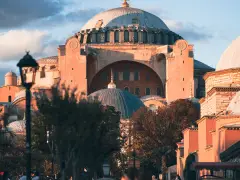
Istanbul Old City Full-Day Guided Tour
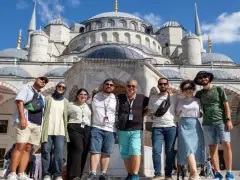
Blue Mosque & Hagia Sophia Guided Tour with Skip the Line Tickets
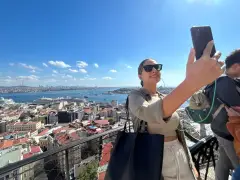
Topkapi Palace & Harem Guided Tour with Hagia Sophia, Blue Mosque
Basilica Cistern, Hagia Sophia & Blue Mosque Tickets with Audio Guide
Blue Mosque, Hagia Sophia & Basilica Cistern Guided Tour with Tickets
Blue Mosque Istanbul Guided Tour with Licensed Guide
Blue Mosque Guided Tour with Skip-the-Line Access
Hagia Sophia Skip the Line Ticket with Guided Tour
Important Information
- Hagia Sophia is covered by the guide from outside; entry is optional.
- Grand Bazaar is closed on Sundays.
FAQs
How long does the half-day morning tour last?
Is this tour available every day?
Do we go inside Hagia Sophia?
Is hotel pickup included?
Is this tour good for families?
Is the Hagia Sophia entrance fee included?
Is Hagia Sophia a mosque or a museum?
How do tourists visit Hagia Sophia now?
Is there a dress code for Hagia Sophia?
How old is Hagia Sophia and who built it?
Why is the Sultan Ahmed Mosque called the Blue Mosque?
When was the Blue Mosque built?
What makes the Blue Mosque's exterior unusual?
Is there anything new to see inside the Blue Mosque?
What was Sultanahmet Square before it became a public space?
What monuments stand in Sultanahmet Square?
How do I get to Sultanahmet Square?
How do I get to Sultanahmet Square?
Who built the German Fountain and why?
What should I look for at the German Fountain?
When is the best time to see the German Fountain?
Why is the German Fountain there?
How old is the Obelisk of Theodosius?
Why does the obelisk look shorter than expected?
What's carved on the obelisk's base?
Is the Obelisk of Theodosius the original full height?
What is the Serpent Column?
How did the Serpent Column end up in Istanbul?
What happened to the serpent heads?
What happened to the Serpent Column's snake heads?
How old is the Grand Bazaar?
How is the Grand Bazaar laid out?
Is haggling expected at the Grand Bazaar?
When is the Grand Bazaar open?
Similar tours
Istanbul Old City Full-Day Guided Tour
Blue Mosque & Hagia Sophia Guided Tour with Skip the Line Tickets
Topkapi Palace & Harem Guided Tour with Hagia Sophia, Blue Mosque
Basilica Cistern, Hagia Sophia & Blue Mosque Tickets with Audio Guide