Blue Mosque (Sultanahmet Mosque)
Tours & Tickets for Blue Mosque (Sultanahmet Mosque)
Basilica Cistern, Hagia Sophia & Blue Mosque Tickets with Audio Guide
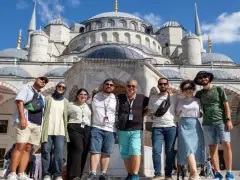
Blue Mosque Istanbul Guided Tour with Licensed Guide
Blue Mosque & Hagia Sophia Guided Tour with Skip the Line Tickets

Blue Mosque Guided Tour + Topkapi Palace & Harem Skip the Line Ticket
Topkapi Palace & Harem Skip the Line Guided Tour with Blue Mosque Combo
Topkapi Palace & Harem Guided Tour with Hagia Sophia, Blue Mosque
Blue Mosque Guided Tour with Bosphorus Cruise & Audio Guide Options
Istanbul Bosphorus Cruise & Blue Mosque Guided Tour
About Blue Mosque (Sultanahmet Mosque)
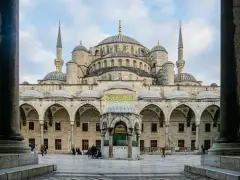
The Blue Mosque, officially the Sultan Ahmed Mosque, was built between 1609 and 1616 during the reign of Sultan Ahmed I. It sits on Istanbul's historic peninsula in Sultanahmet, directly across an open square from Hagia Sophia, and the two buildings face each other in a sort of architectural conversation that has gone on for centuries. The nickname comes from the interior: more than 20,000 hand-painted Iznik tiles line the walls and upper levels, their blues and greens catching the light that filters through the mosque's many windows. On the skyline, six minarets give the building its distinctive silhouette, unusual for an Ottoman mosque of its period.
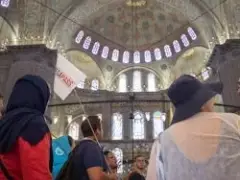
It is still an active place of worship, not a museum, so a visit works differently from a ticketed monument. Entry to the mosque is free. There's no admission charge and no ticket to buy, though the building closes to tourists during the five daily prayer times and for longer around midday Friday prayers, so timing your visit around those windows makes for a calmer, less rushed look at the interior. A restoration wrapped up in 2023, and the tilework and painted domes overhead are the main things worth slowing down for once you're inside.
As with any working mosque, a modest dress code applies to everyone. Shoulders and knees should be covered, shoes come off at the entrance, and women are asked to cover their hair; head scarves are usually available to borrow at the door if you don't have one. The Blue Mosque sits within an easy walk of Hagia Sophia, the Basilica Cistern, and Topkapi Palace, so most people fold it into a single day exploring the old city rather than treating it as a stop on its own.