
Eyup Sultan Mosque
Tours & Tickets for Eyup Sultan Mosque
About Eyup Sultan Mosque
Eyup Sultan Mosque sits just outside the old city walls at the top of the Golden Horn, in the Eyup district that grew up around it. The mosque marks the burial place of Abu Ayyub al-Ansari, a companion of the Prophet Muhammad who, by tradition, died during the Arab siege of Constantinople in the 7th century. When Mehmed II conquered the city in 1453, his men reportedly located the grave, and the sultan had a mosque and tomb built on the spot. That makes it one of the most important pilgrimage sites in Istanbul and one of the holiest in Turkiye, a place with a very different feel from the tourist-heavy monuments down on the historic peninsula.
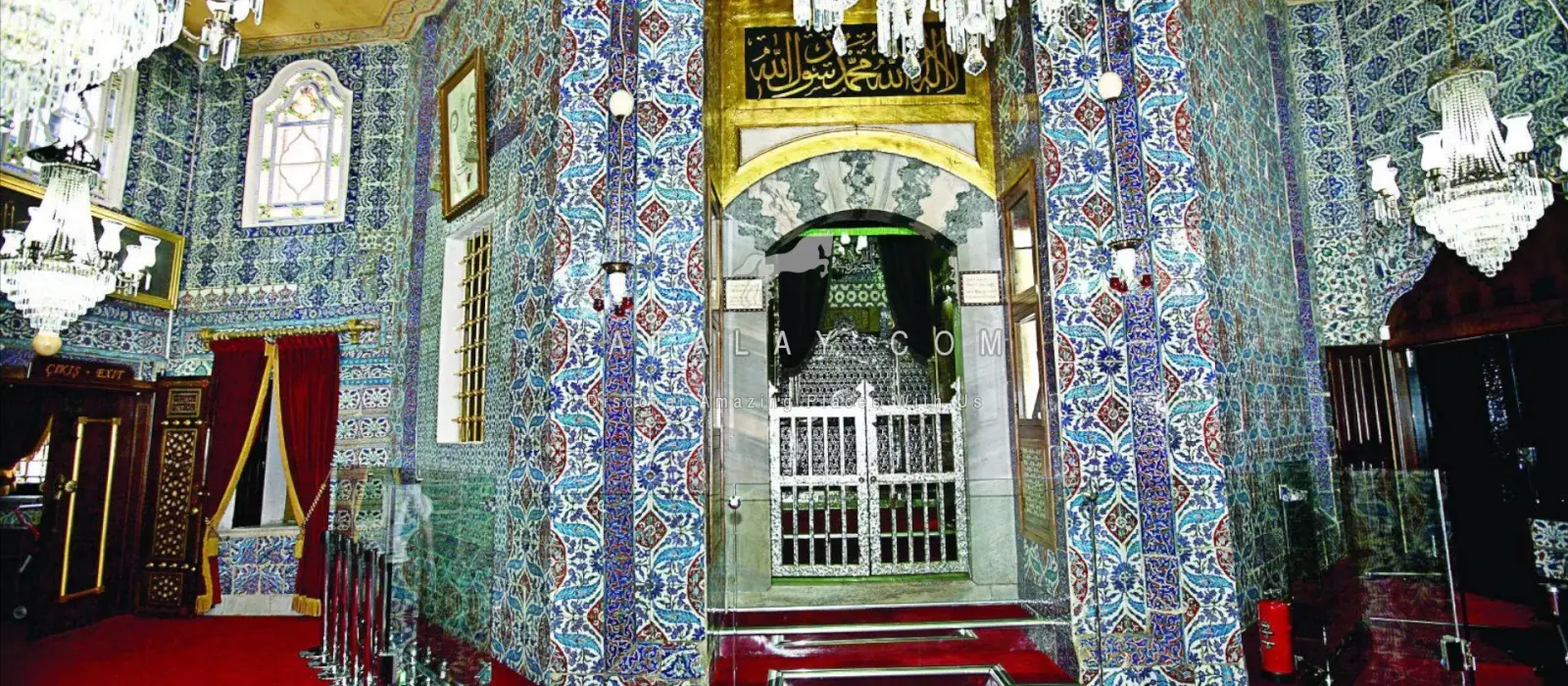
The complex you see today largely dates to a rebuild ordered by Selim III around 1800, after the original structure was damaged, so the mosque itself reads as Ottoman Baroque rather than early classical. The real focus for most visitors is the tomb of Abu Ayyub al-Ansari, its walls lined with Iznik tiles, set in a courtyard shaded by old plane trees where people come to pray and pay respects. For centuries this was where Ottoman sultans were girded with the sword of Osman on their accession, a coronation-style ceremony that tied the whole empire's authority to this corner of Istanbul.
This is an active place of worship, not a museum, so it's busiest on Fridays and during religious holidays, and it's best visited outside prayer times. Entry to the mosque and tomb is free, though modest dress is expected: cover shoulders and knees, and women should bring a headscarf. Many people combine the visit with the ride or walk up to Pierre Loti Hill for the view back over the Golden Horn, reached by a short cable car from beside the cemetery. The surrounding streets are full of small shops selling religious items and the local sweets Eyup is known for.