Chora Church (Kariye Mosque)
Tours & Tickets for Chora Church (Kariye Mosque)

About Chora Church (Kariye Mosque)
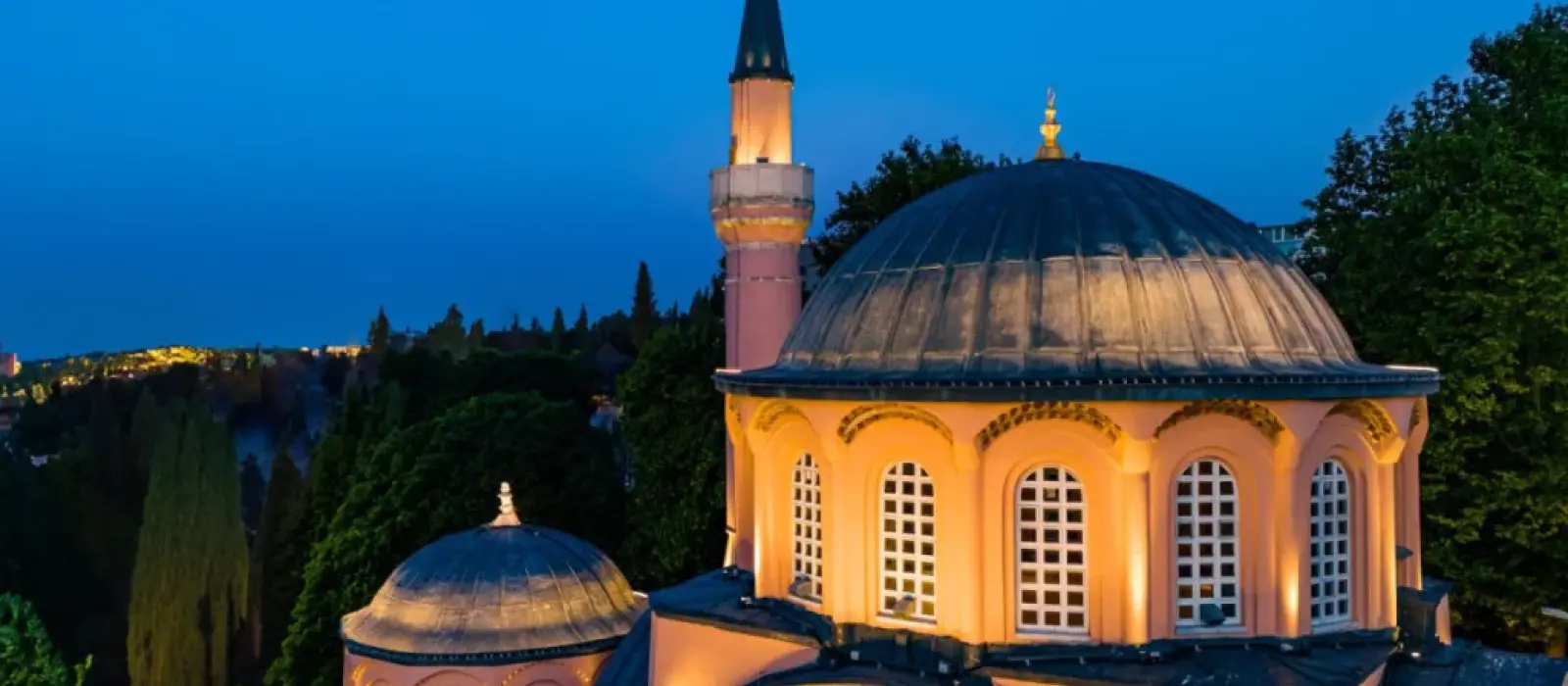
The Chora, known in Turkish as Kariye, sits in the Edirnekapi neighborhood of the Fatih district, tucked into the old city walls a little away from the main tourist cluster around Sultanahmet. Its origins go back to a Byzantine monastery church, with the name Chora roughly meaning "in the country," a reference to its position outside the original city walls in the 4th century. What stands today mostly dates from a major early-14th-century rebuilding, and it's that phase that gives the building its real claim to fame. Over the centuries it served as a church, then a mosque under the Ottomans, then a museum in the 20th century, and it has functioned as a mosque again in recent years.
The reason to come is the interior decoration. Chora holds some of the best-preserved Byzantine mosaics and frescoes anywhere, and the concentration of them in a fairly small building is what makes the place worth the trip out. The mosaics run across the two narthexes at the entrance, laid out in gold and deep color, telling the life of Christ and the Virgin Mary in sequence. The side chapel, the parekklesion, is covered in frescoes instead, including the Anastasis scene in the apse, which shows Christ pulling Adam and Eve from their tombs. It's a smaller and quieter site than Hagia Sophia, but the artwork is more intact and easier to study up close.
Because Chora now operates as a working mosque, visiting arrangements can change and it's worth checking current access before you go, particularly around prayer times when tourist entry may be paused. Modest dress is expected, and you'll remove your shoes to go inside. It's a bit of a detour from the main sights, so many people reach it by taxi or combine it with a walk along the land walls. Tourist admission is a separate, paid arrangement, and a skip-the-line ticket saves time at busier moments.