
Hagia Sophia Skip the Line Ticket with Bosphorus Cruise
 +3
+3
About this tour
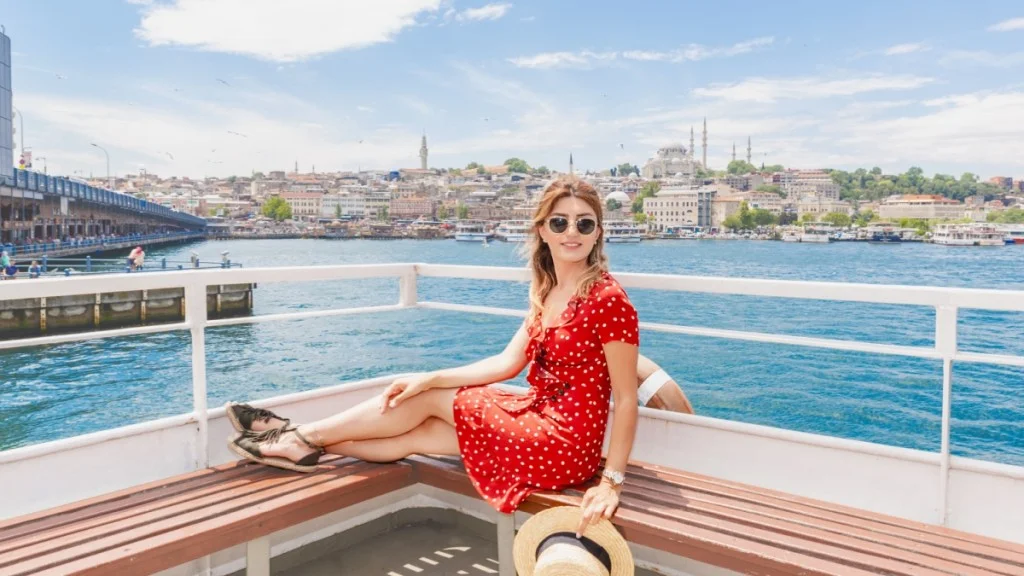
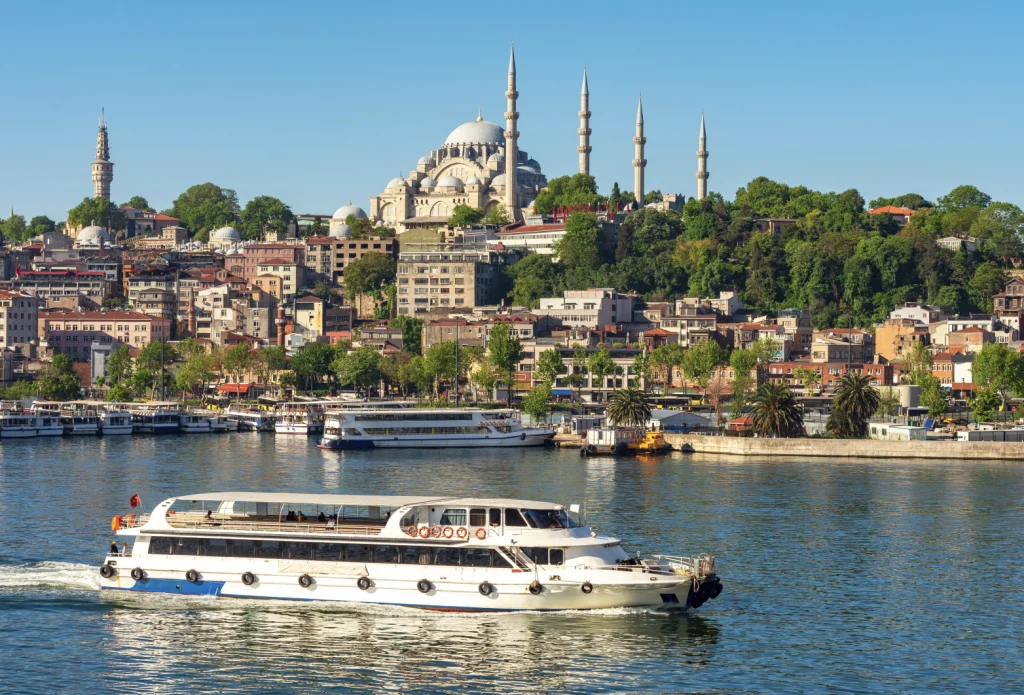
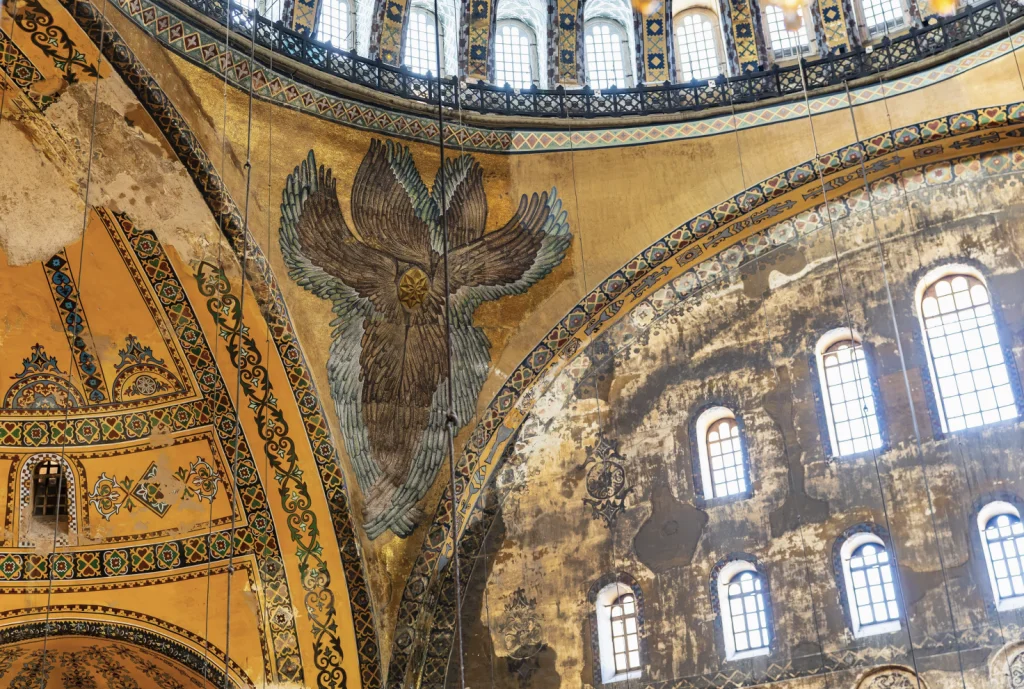
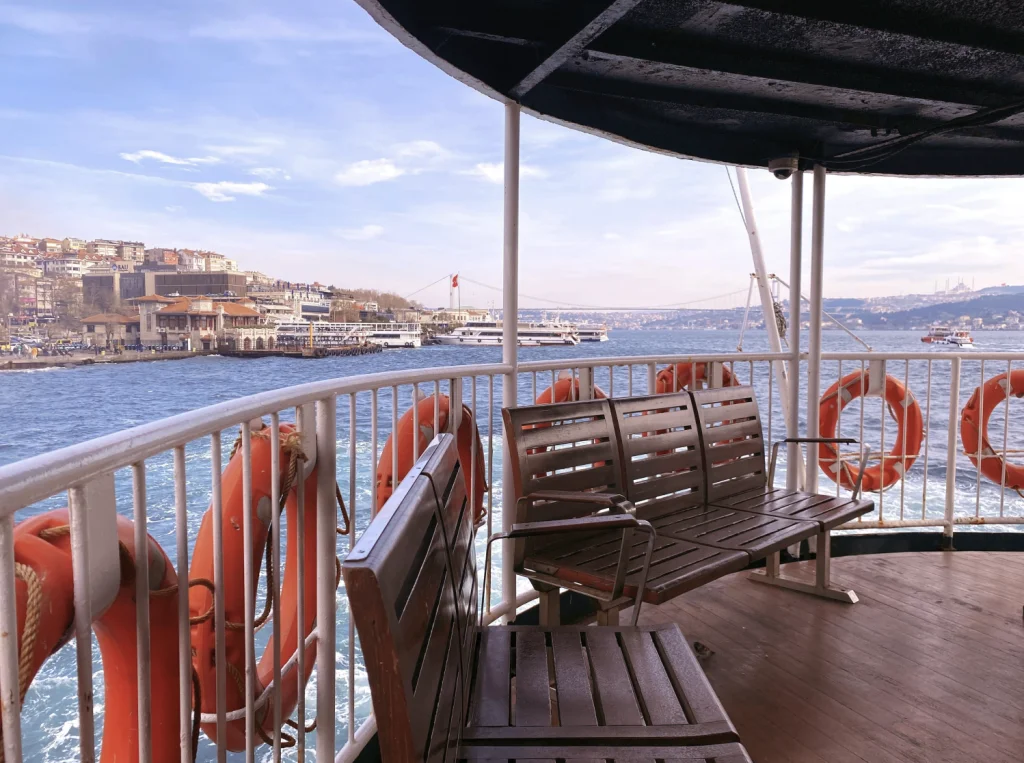
This combo pairs skip-the-line entry to Hagia Sophia with a sightseeing cruise on the Bosphorus, the strait that splits Istanbul between Europe and Asia. Inside the monument you'll see the vast central dome, Byzantine mosaics, and Islamic calligraphy sharing one space, all with a self-guided audio tour you can pick from several languages. On the water you'll pass Ottoman palaces, waterfront mansions, and old fortresses along the shore. There's a range of cruise styles to choose from, from a standard daytime sailing to a dinner cruise or a private yacht.
Highlights
- See Istanbul's landmarks lined up along the shore from the deck of your boat
- Sail the Bosphorus between the European and Asian sides of the city
- Take it easy on a scenic cruise, with audio guides available if you want them
- Cruise past Ottoman palaces, waterfront mansions, and old shoreline fortresses
- Get photos of the skyline from an angle you can't reach on land
- Pick your style: daytime sightseeing, a dinner cruise with entertainment, or a private yacht
- See how Byzantine and Ottoman design come together across centuries of rebuilding
- Look up at the huge central dome, an engineering feat well ahead of its time
- Find Christian mosaics and Islamic calligraphy side by side under one roof
- Feel the atmosphere of a working mosque that still opens to both worshippers and visitors
Included / Excluded
- Skip-the-line entry ticket to Hagia Sophia
- Bosphorus sightseeing cruise ticket
- Instant activation link for your audio tour
- Self-guided audio tour device in several languages
Hours, Dress Code, and Timing Your Visit
Bosphorus cruise times shift with the season and the type of sailing. Classic sightseeing cruises run through the day, roughly 09:00 to 23:00. Brunch cruises tend to leave around 10:00, sunset sailings depart between 17:00 and 18:00 in summer and a bit earlier in winter, and dinner cruises usually start between 19:30 and 20:30 with dining and onboard entertainment after dark. Since times differ by operator, confirm the exact schedule when you book.
Onboard, casual comfortable clothes are fine for daytime sailings, and dinner cruises call for smart-casual. Pack layers either way, since it gets cooler and windier out on the water than it feels on shore.
Hagia Sophia is open every day from 09:00 to 19:00, with last entry at 18:30. Because it's still a working mosque, visiting pauses for the five daily prayers, closing to tourists for about 75 to 90 minutes each time; the longest closure is Friday from 12:30 to 14:30 for the main weekly prayer, so time your entry around those windows. Modest dress is required inside: women should cover shoulders and arms, wear a knee-length or longer skirt or full-length trousers, and put on a headscarf, while men need full-length trousers or knee-length shorts and no sleeveless tops. The rules are looser for children under eight.
Available Days / Times
- Monday
- Tuesday
- Wednesday
- Thursday
- Friday
- Saturday
- Sunday
Important Information
- Cruise types differ in length and what's included, so decide between a standard sightseeing sailing, a dinner cruise, or a private yacht before booking
- Most cruises leave from central piers like Eminonu, Kabatas, or Karakoy; confirm your exact one, as it varies by cruise and operator
- Arrive early to board smoothly and not miss the boat, especially in peak season
- Check the forecast and dress for it; the water runs cooler and windier than land
- Bring sunscreen, sunglasses, and a hat for daytime sailings, and a light jacket for evening ones
- Take seasickness medication ahead of time if you're prone to it
- Snacks and drinks are often sold on board, though this depends on the operator
- Hagia Sophia is a working mosque, so dress respectfully (see dress code)
- Your ticket covers the visiting area (Upper Gallery); the ground-floor prayer hall is for worshippers only
- The mosque closes to tourists during the five daily prayers and the Friday midday prayer, so plan around those times
- Security screening at entry can take up to 60 minutes in high season (June to August)
- Give yourself 1 to 2 hours inside to take in the architecture and history
- A guided tour or audio guide adds context on the history, symbolism, and artwork
- Ongoing restoration means parts of the interior may be behind scaffolding
- Combo tickets save time and money if you're also visiting the Basilica Cistern or Topkapi Palace nearby
- Follow the crew's directions and the onboard safety rules
- Arrive at least 20 minutes before departure, or 30 minutes for dinner cruises and private yachts
- A mobile voucher or printed ticket works for boarding; bring photo ID as well
- Smoking is allowed only in designated areas where they exist
- Alcohol and large luggage are usually not permitted on board
- Don't litter or throw anything into the water
- Above all, sit back and enjoy the ride
- Dress modestly and cover your shoulders and knees (see dress code)
- Take off your shoes before entering the prayer area; use the racks provided or carry them in a small plastic bag
- Keep your voice down and stay respectful inside the mosque
- Photography is generally fine, but don't use flash
- Follow directions from mosque staff and guides