
Hagia Sophia and Basilica Cistern Tickets with Audio Guide
 +2
+2
About this tour
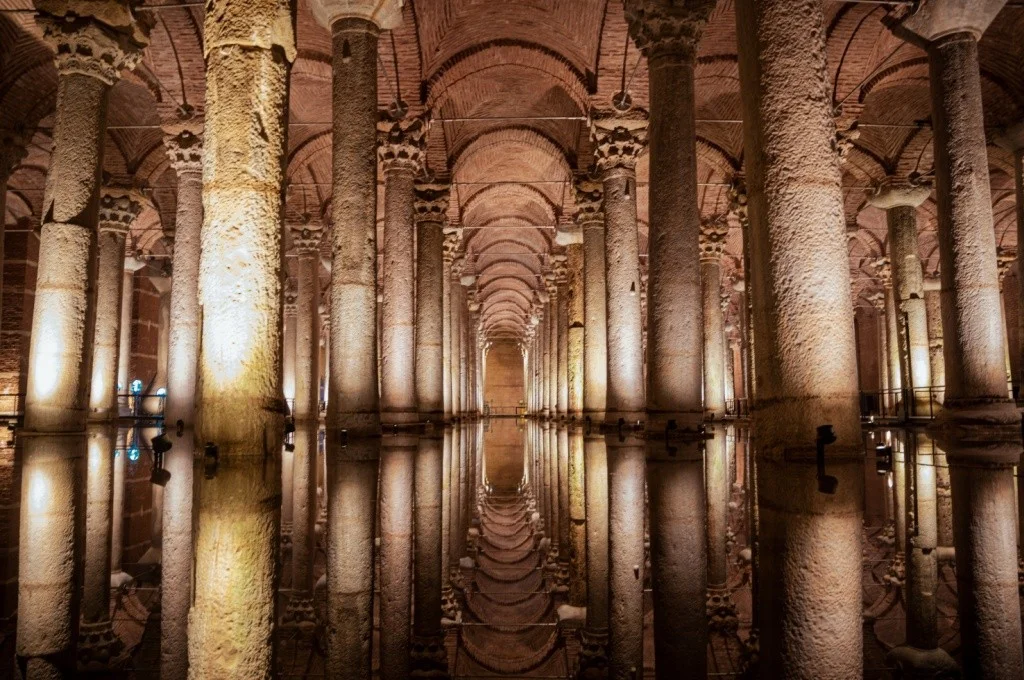
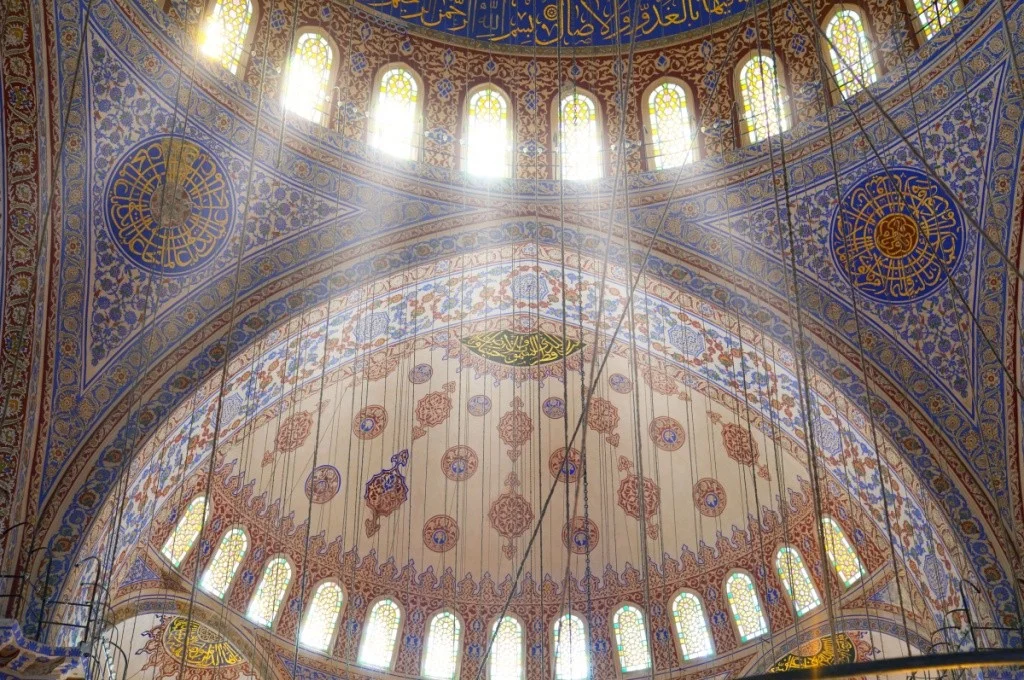
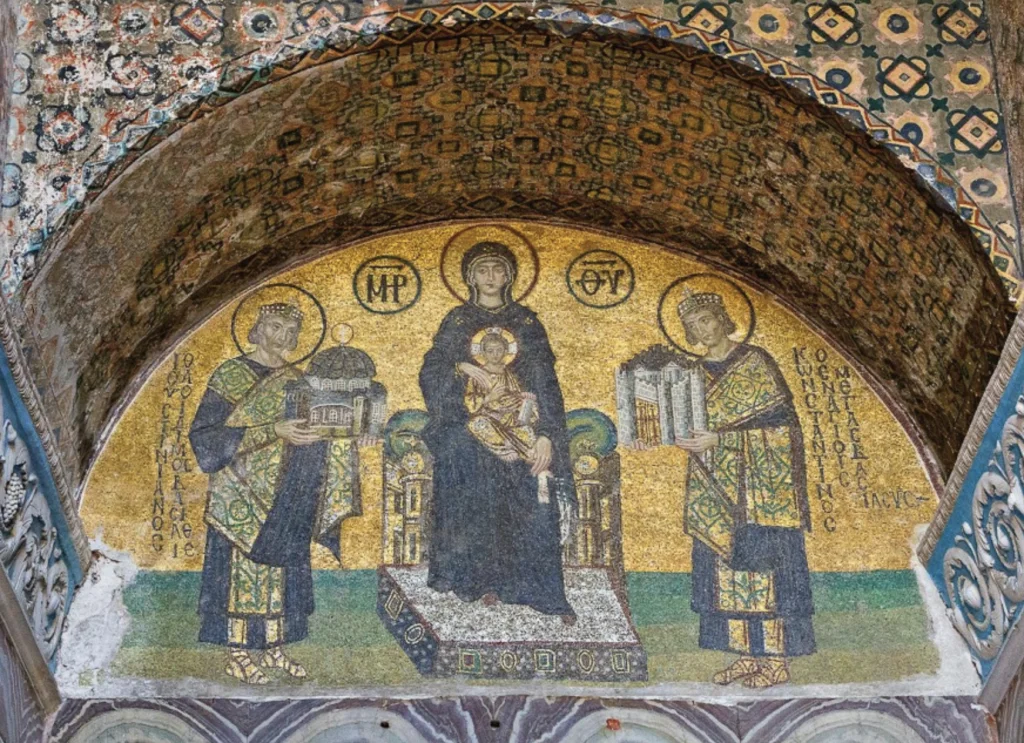
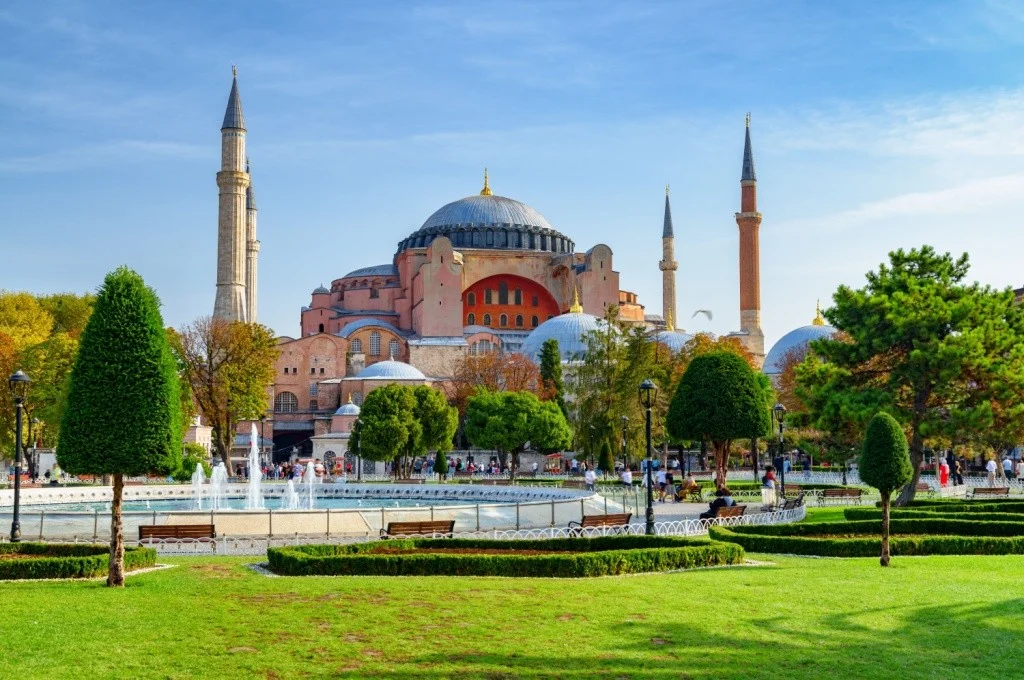
This ticket pairs two of Istanbul's landmarks in the Sultanahmet district: the 6th-century Basilica Cistern, an underground Byzantine reservoir with rows of marble columns and the famous Medusa-head bases, and Hagia Sophia, built in the 530s as a cathedral and now an active mosque under its enormous central dome. Your ticket comes with an audio guide, so you can walk both sites at your own pace and pick up the history behind the mosaics, calligraphy, and legends. Buying online lets you skip the ticket-office line.
Highlights
- Walk among the rows of marble columns, each carved differently and reused from older buildings.
- Find the two Medusa-head column bases, one sideways and one upside down, with legends behind both.
- Take in the effect of water, low light, and ancient stone all at once underground.
- Learn how the cistern once fed water to the Great Palace of Constantinople.
- Step out of the busy Sultanahmet streets into a cool, calm space below ground.
- See Byzantine and Ottoman architecture side by side in one building.
- Look up at the central dome, an engineering breakthrough for its day.
- Spot the surviving Christian mosaics alongside Islamic calligraphy in the same hall.
- Feel the atmosphere of a working mosque that still welcomes worshippers and visitors.
Opening Hours and Dress Code
The Basilica Cistern runs two separate sessions each day. The daytime session is 09:00 to 18:30, and after a short break the site reopens for the evening session from 19:30 to 22:00, when extra lighting gives the space a different mood. It's closed between 18:30 and 19:30, and a daytime ticket won't get you into the evening session. There's no dress code for the cistern itself, but comfortable clothes and supportive shoes make sense given the damp air and uneven ground.
Hagia Sophia is open daily from 09:00 to 19:00, with last entry at 18:30. Because it's an active mosque, visiting is worked around the five daily prayers, during which the building fully closes to tourists for roughly 75 to 90 minutes each time. The longest closure is Friday from 12:30 to 14:30 for the main weekly prayer. A modest dress code applies inside: women should cover shoulders and arms, wear a skirt to the knee or longer or full-length trousers, and put on a headscarf; men need full-length trousers or knee-length shorts and no sleeveless shirts. The rules are relaxed for children under eight. If you're pairing Hagia Sophia with the cistern, dressing modestly from the start saves you adjusting between the two.
Available Days / Times
- Monday
- Tuesday
- Wednesday
- Thursday
- Friday
- Saturday
- Sunday
Important Information
- Book online to skip the long queues that build up at the ticket office.
- Cistern floors and walkways get slippery from constant moisture, so wear non-slip shoes.
- Humidity inside runs around 96%, and water drips from the ceiling in places.
- Lighting is kept low on purpose, so watch your step on stairs and narrow paths.
- Photography is fine in the cistern, but skip the flash.
- The 19:30 to 22:00 night session at the cistern needs a separate ticket and is quieter.
- It stays cool underground, so bring a layer.
- Combo tickets covering nearby sites like Hagia Sophia and Topkapi Palace can save time and money.
- Hagia Sophia is a working mosque, so dress respectfully (see dress code).
- Tourist tickets cover the Upper Gallery visiting area; the ground-floor prayer hall is for worshippers only.
- Hagia Sophia closes to tourists during the five daily prayers and the Friday midday prayer; visit outside these times.
- Security checks at the entrance can take up to 60 minutes in high season (June to August).
- Allow at least 1 to 2 hours for Hagia Sophia to take in the architecture.
- An audio guide or guided tour gives you more on the history, symbolism, and artwork.
- Some interior areas may be behind scaffolding due to ongoing restoration.
- Combo tickets are a practical option and can save time and money when visiting nearby landmarks such as the Basilica Cistern and the Topkapi Palace.
- Large luggage and suitcases aren't allowed inside the Basilica Cistern.
- No food or drink inside, and tripods require prior permission.
- No smoking anywhere, including e-cigarettes.
- Pets aren't allowed in the cistern.
- Pay in Turkish Lira or by credit card only; foreign cash isn't accepted.
- Dress modestly and cover shoulders and knees (see dress code).
- Take off your shoes before the prayer area; use the racks or bring a small bag to carry them.
- Keep quiet and respectful inside the mosque.
- Photography is generally allowed in Hagia Sophia, but no flash.
- Follow directions from mosque staff and guides.